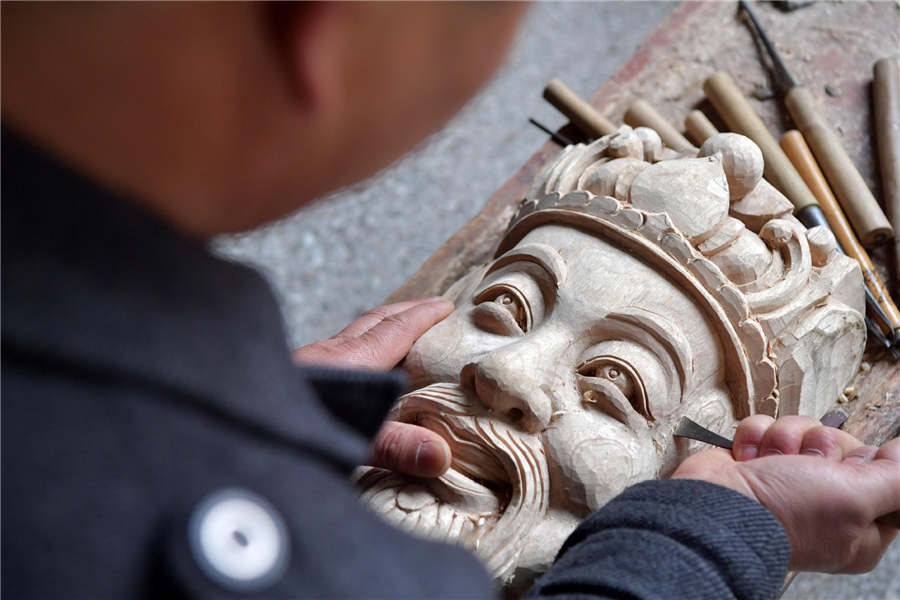
Nuo Opera Mask Carving
Introduction
Nuo Opera Mask Carving is an intricate and culturally significant art form integral to Nuo Opera, an ancient Chinese folk drama often described as a "living fossil" of Chinese performance art. Nuo Opera integrates ritual, music, dance, and acrobatics, traditionally performed to exorcise evil and invoke blessings. The vividly painted and intricately carved masks, representing deities, demons, and stock characters, are central to these performances. Recognized as a National Intangible Cultural Heritage in China, Nuo Opera mask carving embodies significant historical, artistic, and spiritual value.
Beyond mere performance props, the masks encapsulate the cultural and spiritual essence of Nuo Opera. Carved from wood and painted with vibrant colors, the masks feature exaggerated expressions designed to convey character roles and personalities. The craft demands a deep understanding of traditional carving techniques, cultural symbolism, and aesthetic principles. Over centuries, Nuo Opera mask carving has evolved, incorporating regional variations while maintaining its foundational traditions.
Historical Background
Nuo Opera and its associated mask carving originated in ancient China, with roots in sacrificial rituals. Initially performed to avert plagues, evil spirits, and disease, and to secure good fortune, these rituals evolved into a theatrical art form combining drama, music, and dance.
By the Tang (618-907) and Song (960-1279) dynasties, Nuo Opera was a firmly established cultural practice, with distinct mask carving schools emerging during these periods. The masks served as conduits to the spiritual world, representing gods, demons, and historical figures. The art of mask carving flourished alongside Nuo Opera's increasing popularity, with artisans dedicating themselves to refining techniques and preserving traditions.
Contemporary preservation efforts recognize Nuo Opera mask carving as a vital part of China's intangible cultural heritage. Local governments, cultural institutions, and individual artisans actively work to preserve and promote the art form. Institutions like the Guizhou Nuo Culture Museum play a key role in documenting and showcasing the history, techniques, and cultural significance of Nuo Opera and its masks.
Techniques and Craftsmanship
Material Selection
Artisans traditionally select specific woods, such as camphor, willow, or paulownia, prized for their lightness, durability, and ease of carving. Camphor wood is particularly valued for its insect resistance and aromatic qualities. Proper seasoning of the wood, which can take months, is crucial to prevent cracking and ensure stability for intricate carving.
Carving Process
A meticulous and labor-intensive process begins with sketching the mask's design onto the prepared wood. The design, often inspired by traditional motifs, mythology, or specific performance requirements, outlines facial features, expressions, and symbolic elements. A range of specialized tools, including chisels, knives, and gouges, are used for precise carving, encompassing rough shaping, detailed refinement, and smoothing. Symbolic elements reflecting the cultural and spiritual meaning of the mask are integral to the carving process.
Painting and Decoration
Masks are painted with bright, contrasting colors such as red, black, yellow, and white, each imbued with symbolic meaning. Multiple layers of natural pigments or modern paints are applied with fine brushes to achieve vibrant and durable finishes. Intricate details, including facial expressions, patterns, and textures, enhance the mask's visual impact and character representation. Decorative elements, such as feathers, beads, or metal ornaments, may be added to enhance aesthetic value and reflect regional styles.
Regional Variations
Nuo Opera mask carving exhibits significant regional variations, each with its own unique characteristics and styles. In Xiangdong district of Pingxiang, Jiangxi province, two distinct schools of mask carving have emerged: the Tang Dynasty school and the Song Dynasty school. The Tang Dynasty school emphasizes bold and primitive designs, while the Song Dynasty school is known for its intricate details and innovative features.
In Guizhou province, particularly around Fanjing Mountain and Tongren, Nuo Opera masks are deeply influenced by the local ethnic cultures and traditions. The masks often feature exaggerated expressions and vibrant colors, reflecting the dynamic and diverse cultural heritage of the region. Guizhou's Nuotang Opera, for example, incorporates all three elements of Nuo culture—rituals, opera, and stunts—making its masks particularly comprehensive and symbolic.
In Hunan province, Nuo Opera masks are characterized by their rustic and expressive designs, often depicting deities and mythical figures with a touch of local folklore. The masks from Sichuan province, on the other hand, are known for their exaggerated and detailed expressions, showcasing the region's artistic sophistication.
These regional variations highlight the adaptability and richness of Nuo Opera mask carving, as artisans incorporate local aesthetics, beliefs, and traditions into their work.
Modern Development and Preservation
In recent years, significant efforts have been made to preserve and modernize the art of Nuo Opera mask carving. Artisans, cultural institutions, and local governments have collaborated to document traditional techniques, train new generations of craftsmen, and promote the cultural significance of the masks.
Inheritors like Yang Yunxia, the seventh-generation mask artisan from Tongren, and Chen Quanfu, a master from Jiangxi, have dedicated their lives to passing down their skills and knowledge. They have also introduced innovative designs and products, such as miniature masks and decorative items, to appeal to modern audiences and expand the market for Nuo Opera masks.
Museums, such as the Guizhou Nuo Culture Museum, play a crucial role in preserving and showcasing the history and artistry of Nuo Opera masks. These institutions collect and exhibit masks, tools, documents, and performance footage, providing valuable resources for research and education.
Cultural tourism has also emerged as a means to promote Nuo Opera and its masks. Performances, workshops, and exhibitions attract visitors from around the world, offering them a glimpse into the rich heritage of this ancient art form. By integrating traditional culture into modern aesthetics and lifestyles, Nuo Opera mask carving continues to thrive as a symbol of China's intangible cultural heritage.








